Cambodia is steadily transforming its energy sector as the country embraces renewable energy to support sustainable economic growth, improve energy security, and reduce environmental impacts. Over the past decade, the Royal Government of Cambodia has introduced a series of policies and strategic initiatives that encourage investment in clean energy while ensuring reliable and affordable electricity for households and businesses.
As demand for electricity continues to increase due to urbanization, industrial development, and digital transformation, renewable energy has become a key pillar of Cambodia’s long-term development strategy. Through investments in solar power, hydropower, biomass, and energy efficiency, Cambodia is building a more resilient energy system that supports both economic competitiveness and environmental sustainability.
Cambodia’s Vision for Renewable Energy
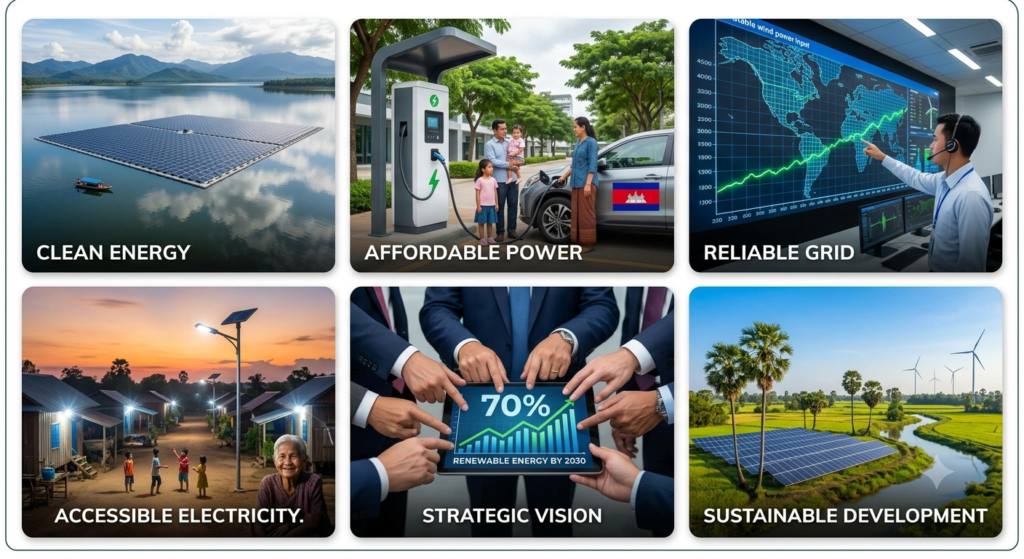
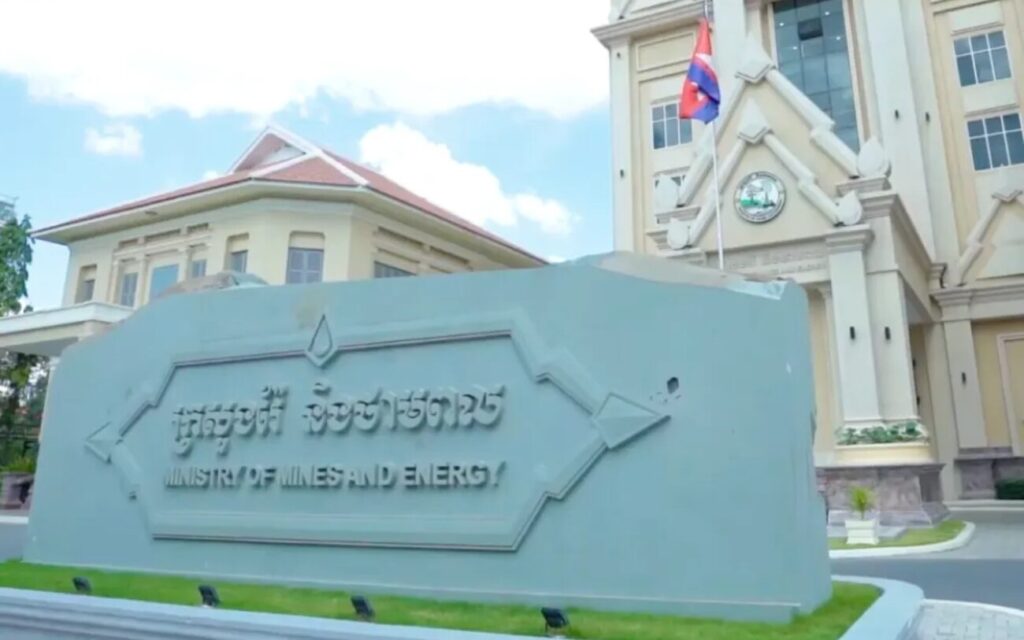
The Ministry of Mines and Energy (MME) has placed renewable energy at the center of Cambodia’s national energy strategy. The government’s vision is built around providing electricity that is clean, affordable, reliable, and accessible to all citizens while supporting the country’s commitment to sustainable development.
One of Cambodia’s most ambitious goals is to generate approximately 70% of its electricity from renewable sources by 2030. This target aligns with Cambodia’s broader commitment to achieving carbon neutrality by 2050 and reflects the country’s determination to reduce its dependence on fossil fuels while strengthening long-term energy security.
A Growing Renewable Energy Sector
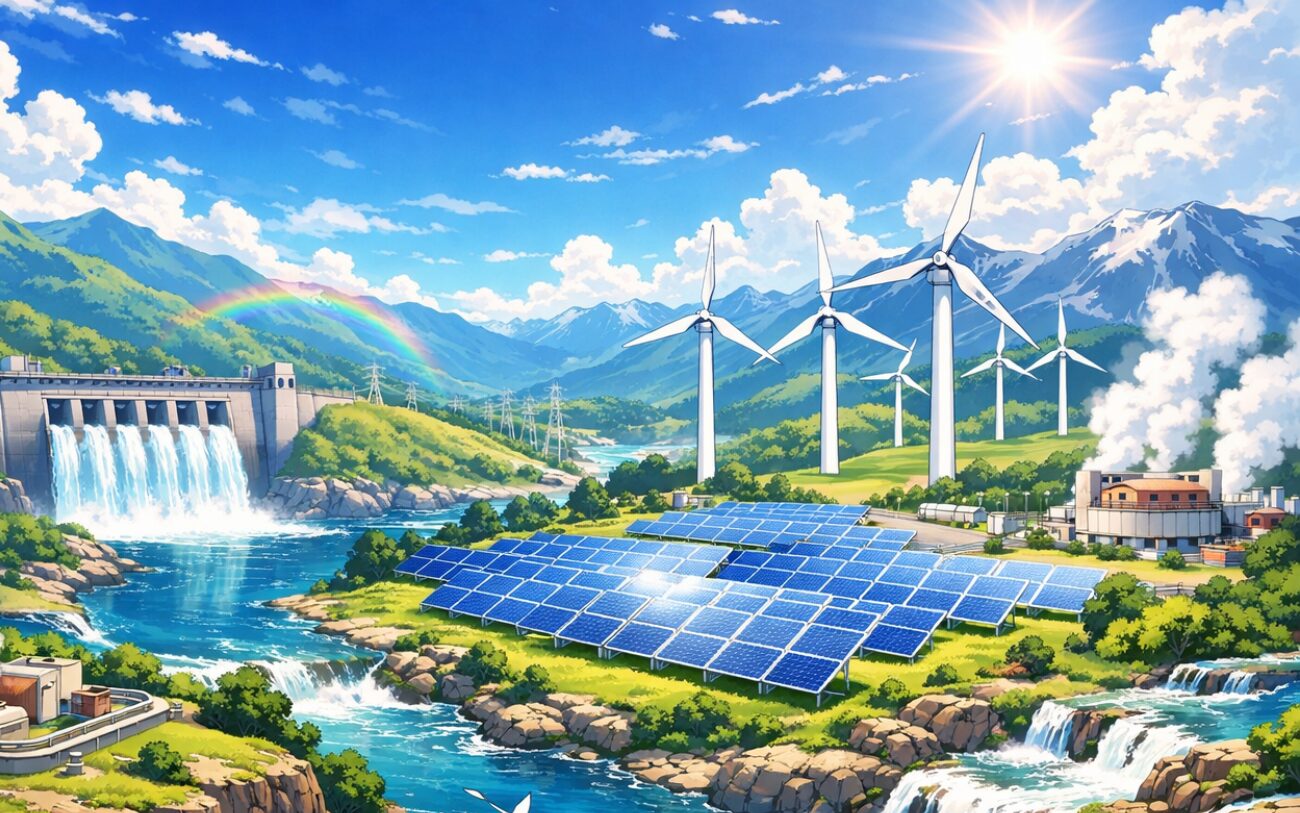
Cambodia has already made significant progress in expanding renewable energy generation. According to the Ministry of Mines and Energy, renewable sources now account for more than 63% of the country’s installed electricity generation capacity. Hydropower continues to provide the largest share of renewable electricity, while solar energy has experienced remarkable growth over recent years due to declining technology costs and supportive government policies.
The rapid expansion of solar power demonstrates Cambodia’s willingness to diversify its energy mix beyond traditional hydropower. At the same time, biomass projects and future wind energy developments are expected to further strengthen the country’s renewable energy portfolio.
Beyond increasing renewable generation, Cambodia has also achieved substantial improvements in electricity access, with nearly all households now connected to the national electricity network. This represents a significant milestone in the country’s social and economic development.
Policies Driving Cambodia’s Energy Transition
Cambodia’s renewable energy transition is supported by a comprehensive policy framework designed to encourage investment, improve energy efficiency, and modernize the national power system.
One of the most important initiatives is the National Energy Efficiency Policy 2022–2030, which promotes more efficient energy consumption across industries, commercial buildings, government institutions, and residential sectors. The policy encourages the adoption of energy-efficient technologies and aims to reduce unnecessary electricity consumption while improving overall productivity.
The government has also introduced updated regulations for rooftop solar systems, making it easier for businesses and homeowners to install solar panels. These reforms simplify administrative procedures while providing a clearer regulatory framework for distributed renewable energy generation. As a result, rooftop solar installations are expected to play an increasingly important role in reducing electricity costs and supporting clean energy production.
Another major development is the introduction of Cambodia’s Renewable Energy Certificate (REC) mechanism. This system allows companies to certify that the electricity they consume comes from renewable sources, helping businesses meet environmental, social, and governance (ESG) commitments while enhancing their competitiveness in international markets.
Investment Opportunities in Renewable Energy
Cambodia’s renewable energy policy has created growing opportunities for both domestic and international investors. The government continues to encourage investment in utility-scale solar farms, battery energy storage systems, biomass facilities, smart grid infrastructure, and future wind power projects.
These investments are expected to strengthen grid stability, improve electricity reliability, and support Cambodia’s expanding industrial sector. As renewable technologies become more cost-effective, the country is increasingly viewed as an attractive destination for clean energy investment within Southeast Asia.
In addition, Cambodia’s participation in regional initiatives such as the ASEAN Power Grid will enable greater cross-border electricity trade, improving energy resilience and supporting regional economic integration.
References
- Ministry of Mines and Energy (MME). Energy Sector Overview. https://mme.gov.kh/
- Ministry of Mines and Energy (MME). Strategic Sectors – Energy. https://mme.gov.kh/strategic-sectors/energy
- Ministry of Mines and Energy (MME). Recent Energy Legislation and Regulations. https://mme.gov.kh/strategic-sectors/energy/recent-legislations-and-regulations
- Ministry of Mines and Energy (MME). National Energy Efficiency Policy 2022–2030. https://mme.gov.kh/fileadmin/recourses/rules-and-regulations/energy/eng/2022_78_Policy_NEEP_2022-2030_EN.pdf
- United Nations Development Programme (UNDP). Launch of the New Ministerial Regulation for Accelerated Implementation of Rooftop Solar Power in Cambodia. https://www.undp.org/cambodia/press-releases/launch-new-ministerial-regulation-accelerated-implementation-rooftop-solar-power-cambodia